Monday, April 6, 2020

8 quick natural weight loss tips

No need to exercise to exhaustion or following harsh diet, you just need to change some of your daily routines to lose weight effectively.

Consistently do this  everyday helps you lose weight.

6 quick natural weight loss tips 8 quick natural weight loss tips

Determine the target:  If you're not really determined, you can hardly succeed. Try and keep this in mind. If you feel like you can't persevere in your goal of losing weight to the end, you should find many reasons to convince yourself, set a limit and emphasize the results if we persevere.

Stop eating simple carbs: Starch from white rice, wheat flour, sugar, cakes, increases blood sugar and insulin, whichturn everything that contains too much sugar into fat. Eating a lot of white starch tends to cause you to gain weight, leading to obesity and diabetes, heart disease, blood fat.

8 quick natural weight loss tips

Increase water intake: You need to eliminate carbonated beverages, milk tea, coffee from your daily diet. Instead, drink plenty of water. Water helps to eliminate toxins from the body. Some studies recommend that women should consume about 2.8 liters of water a day.

Increase fiber intake: Fiber helps keep you full and cuts off your cravings. High-fiber foods are low in fat and calories. To lose weight, you should eat at least 5 fruits and vegetables each day. Fruits that are high in fiber are apples, bananas, berries, oranges, tangerines, plums and pears. You can also switch to whole grains (soybeans, green beans, black beans, oats), sweet potatoes, cereal instead of candies, carbonated drinks or sugary foods.

8 quick natural weight loss tips

Enhance metabolism: To do this, you eat 5-6 meals per day, each meal 2-3 hours apart. Scientifically proven, breaking down meals during the day will help improve the body's natural metabolism, burning more fat.

Eliminate processed food: To ensure a stable, high-energy blood sugar level, you should eliminate burgers, pizzas, cakes, instant noodles or carbohydrate-rich foods.

8 quick natural weight loss tips

Do not eat at night: At night, the human body prepares for sleep, and your metabolism slows down. In addition, this is the time when the body is at rest, and cells also become resistant to the hormones in the body. Eating at night causes a sharp rise in blood sugar, while the insulin hormone is hindered by the cells from the task, leading to insulin resistance - the cause of type 2 diabetes. Avoid eating after 9pm.

Do cardio exercises: Cardio is an exercise that not only helps you burn fat during exercise, but its effects also last many hours later. So, you should do cardio exercises 4-5 days a week to lose weight more effectively.

Watch next: 8 Simple Exercise to Lose Love Handles Without Gym

Sunday, April 5, 2020

I Started Living By The CICO Rule For Weight Loss And Ended Up Losing Over 100 Lbs. in a Year

From Prevention

My name is Georgia Malbrough (@georgiabethfitness), and I'm 26 years old. I live in Houma, Louisiana, and I'm a stay-at-home mom. When I started my weight-loss journey, I researched how metabolism and weight loss work and adapted the CICO rule. Now? I've lost over 100 pounds.

Before my weight-loss journey began, I was a young mother t o three kids who struggled to find a healthy relationship with food. I finally realized that in order to enjoy my life as a mom and to really be there for my children, I needed to find balance and somehow prioritize my own health while being a parent.

I was tired of living as a watered-down version of myself. Playing with my kids was exhausting. When I pictured my future, I often thought about how I wanted to be that grandma that would take her grandchildren on hiking trips. But there was no way that was goin g to happen if I didn't make a permanent adjustment to my day-to-day life right then.

Related Video: 1,200 Calories on 3 Different Diets

In the past, I had tried every fad diet that gave me quick results, but those results would be gone the second I slipped up. In July 2018, something changed in me, and I'm not even sure what made me change my ways. But I was finally ready to commit to that change—and I did.

The first thing I did was research how the body burns fat and how metabolism works.

The simple fact I discovered was that weight loss and fat loss generally come down to: calories in versus calories out. A lot of people refer to this as the CICO diet, though it's not a diet at all—it's just a basic way of thinking about weight loss. (Of course, there can always be other factors at play that impact weight loss, but I knew that my health was generally okay—so it worked for me to zero in on c alories.) All I had to do was eat fewer calories than my body was burning each day—and that I'd have to start recording what I ate in order to spot the discrepancy.

When I started living by this simple rule, I was able to still eat the foods I love, without eliminating them forever. Let's be real: I was never going to stop eating at the dinner table with my kids because they were eating pizza and I couldn't. I needed to be able to live my best life in my own reality. Thinking about calories in, calorie s out, allowed me to do that.

Tracking calories also allowed me to see just how much I was overeating. Once I was keeping tabs on my food intake, there was no longer room for me to say, "well, I didn't eat that much." I could look back and see that I actually had, and that's why I wasn't seeing progress. It took out the mystery and guessing.

Here's what I typically eat in a day:
  • Breakfast: Black coffee (always) and a protein shake, or scrambled eggs.

  • Lu nch: Ground meat with taco seasoning added to a Birds Eye Southwest Protein Bowl, topped with shredded Mexican cheese and sour cream.

  • Snacks: Grapes, cucumbers and salsa, or an apple.

  • Dinner: Smothered chicken thighs with Lima beans, white rice, and steamed broccoli.

  • Dessert: Plain Greek yogurt mixed with a chocolate pudding pack and strawberries.

  • I also started drinking more water, which was a game ch anger for me. I had no idea just how dehydrated I was all the time. When I would hit a plateau, I'd up my water intake and see a difference overnight (seriously). If I knew I just ate a decent amount but was still hungry, I'd drink water, and the cravings would pass.

    Another change I made was to my mindset: I started thinking about food as fuel. I used to think of food as an emotional crutch. Once this new perspective clicked for me, I could separate when I was enjoying food for its quality from when I was eating to soothe myself emotionally.

    I work out six days a week now. Mondays, Wednesdays, and Fridays are my favorite because they're my leg days.

    Right now, I'm focused on building strength in my hamstrings, glutes, and quads, and I'm working on my hip mobility. Tuesdays I work on my back and shoulders. Wednesdays I work on my triceps, biceps, and chest. Saturdays are my full-body day, which I use to work on new techniques or try a random workout that I saved on Instagram.

    I love mobility, kettlebell workouts, and hip thrusts. I got into mobility once I broke my ankle and researched more on how to rehabilitate it. Kettlebells make me feel like a total ninja, and hip thrusts make my booty grow. (I got into both of these while researching how to strengthen my posterior chain!)

    I lost over 100 pounds in 13 months, and I've maintained it for six more months.

    I want other women to realize just how strong they are. I want them to find inspiration in themselves and the women around them, rather than the women they see photoshopped all over the media. The most empowering part of this was doing it on my own—because no one could take away the hard work that I put into myself.

    You Might Also Like

    Saturday, April 4, 2020

    11 Best Fruits For Weight Loss, According To A Nutritionist

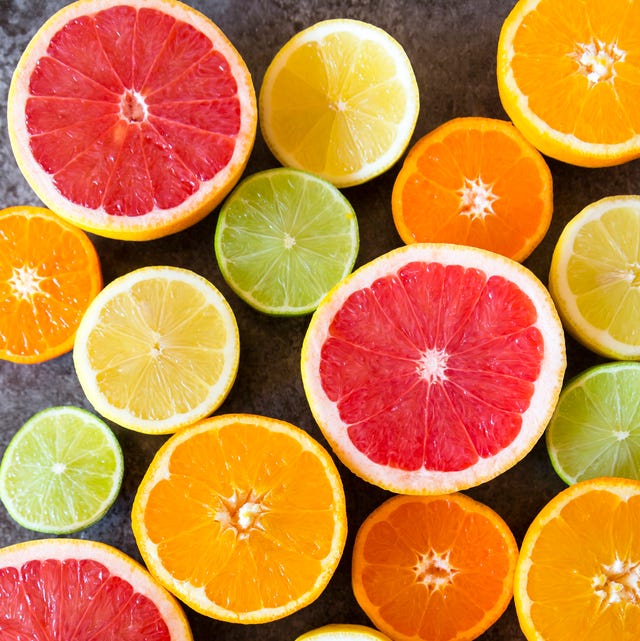
    Sliced citrus fruits

    Westend61Getty Images

    Calling all people with a sweet tooth! One of the hardest parts of any diet is fighting back against cravings for sweet, sugary foods, amiright? But when it comes to dieting, not all sugar is created equal. While your diet may have strict rules against the refined sugars found in treats like cupcakes and cookies, natural sugars (like the ones found in fruits) usually aren't off limits.

    "[Fruit] is a nutritious item to enjoy during a weight-loss journey as a treat and to decrease your cravings for other less healthy sweet foods," says Amy Shapiro, RD, founder of Real Nutrition. Fruit can also help you feel fuller for longer, due to the fiber content in many kinds. But that doesn't mean you shouldn't track your sugar intake when eating fruit. Too much sugar of any kind could still thwart your weight-loss goals, and lots of fruits pack a ton of it.

    If you're trying to lose weight, Shapiro recommends having no more than two servings of fruit a day, or three if you're active. One serving of fruit can either be a whole fruit that fits in your hand, like an apple or orange, or one cup of cut fruit, like a fruit salad. You should stick to eating fresh fruit; Shapiro advises against eating a ton of dried fruit if you're trying to lose weight, as the dried fruit's sugar becomes more concentrated as it loses volume. "The servings of dried fruit are very small, very sweet, and very high in sugar," she says. "For example, dried mango contains 29 grams of sugar for four slices." Shapiro also says that people tend to typically overeat dried fruit because of the small serving sizes.

    But if you eat fresh fruit, and you take stock of your servings, fruits can keep you on track for your weight-loss goals. If you're curious which fruits are the best when it comes to weight loss, try this list of 11 recommendations from Shapiro. They have the highest fiber content, the lowest sugar, and are the healthiest options for weight loss.

    Advertisement - Continue Reading Below

    1 Berries

    Shapiro says she loves recommending berries because they have such high fiber content. "Berries are my favorite fruit to recommend since they are the highest in fiber and lowest in sugar and are packed with antioxidants so they are optimal for health." Raspberries, blueberries and strawberries all make great weight-loss fruit options.

    Per serving:

    Strawberries: 46 cal, 11.1g carbs, 7g sugar, 1g protein, 0.4g fat, 1.4g sodium, 2.9g fiber

    Blueberries: 84 cals, 21g carbs, 14.7g sugar, 1g protein, 0.5g fat, 1.5g sodium, 3.6g fiber

    Raspberries: 64 cals, 14.7g carbs, 5.4g sugar, 1.5g protein, 0.8g fat, 1.2g sodium, 8g fiber

    2 Kiwi

    If you enjoy something sweet, yet equally tart, consider kiwi. "It's loaded with vitamin C and not too sweet, but still juicy and refreshing," says Shapiro.

    Per serving: 108 cals, 26g carbs, 16g sugar, 2g protein, 0.9g fat, 5.3g sodium, 5.3g fiber

    3 Watermelon

    Watermelon is about 9o percent water, so not only does it help you stay hydrated, but it also aids in helping you feel fuller for longer too.

    Per serving: 46 cals, 11.5g carbs, 9.4g sugar, 0.9 protein, 0.2g fat, 1.5g sodium, 0.6g fiber

    4 Apples

    Apples high in fiber, making your belly feel full, and they leave you mentally satisfied too, says Shapiro. "Apples have a great crunch and texture so they satisfy your craving to chew." If you're looking for a yummy and healthy dessert, Shapiro recommends throwing your apples in the oven and baking them.

    Per serving: 65 cals, 17.3 carbs, 13g sugar, 0.3g protein, 0.2g fat, 1.2g sodium, 3g fiber

    5 Papaya

    Shapiro says papaya is rich in enzymes that can ease distress in the gastrointestinal tract and reduce bloating. The fruit is also low-calorie and full of fiber. It's tasty on its own, but she says it also pairs well with some fresh lime juice and a little sea salt.

    Per serving: 60.2 cals, 15.1g carbs, 10.9g sugar, 0.7g protein, 0.4g fat, 11.2g sodium, 2.4g fiber

    6 Lemons

    Getting enough water is crucial to any diet, and adding lemon to water makes it tastier, so you're bound to drink more of it, says Shapiro.

    Per serving: 61.5 cals, 19.8g carbs, 5.3g sugar, 2.3g protein, 0.6g fat, 4.2g sodium, 5.9g fiber

    7 Grapefruit

    Grapefruit is low in sugar and high in fiber, and one serving size is pretty large, so chances are you'll feel satisfied for a while after eating it. People reported losing 7.1 percent of their body weight on average after eating grapefruit or drinking grapefruit juice before their meals for 12 weeks, according to a study in Nutrition & Metabolism.

    Per serving: 73.6 cals, 18.6g carbs, 16.1 sugar, 1.5g protein, 0.2g fat, 0g sodium, 2.5g fiber

    8 Acai

    It may be hard to find the actual fruit, but Shapiro says frozen acai packets or powder—that can easily be added to a smoothie or bowl—can be just as healthy, as long as you get the unsweetened kind. Acai is super high in antioxidants, low in sugar and high in fiber—a magic combo.

    Per serving: 70 cals, 4g carbs, 2g sugar, 1g protein, 5g fat, 10mg sodium, 2g fiber

    9 Pineapple

    "It's juicy, tangy, and filled with bromelain, which helps with digestion by breaking down protein," says Shapiro. Heads up, pineapple skews higher in sugar, so keep track of your serving size with this one.

    Per serving: 82.5 cals, 21.6g carbs, 16.3g sugar, 0.9g protein,0.2g fat, 1.7g sodium, 2.3g fiber

    10 Avocados

    Avocado is way higher in calories that most other fruit (yes, avo is a fruit!). But eaten in moderation it can help promote weight loss, as it may help squash your appetite, according to a study published in Nutrition Journal. The study determined that overweight individuals who ate half a Hass avocado with their lunch reported satiety for up to five hours after lunch. Win!

    Per serving: 218 cals, 11.6g carbs, 0.9g sugar, 2.7g protein, 19.9g fat, 9.5g sodium, 9.1g fiber

    11 Pears

    Another fruit high in fiber, pears can help keep your satiety high and your digestive system operating smoothly, says Shapiro.

    Per serving: 85.5 cals, 22.8g carbs, 14.6g sugar, 0.5g protein, 0.2g fat, 1.5g sodium, 4.7g fiber

    Jasmine Gomez Editorial Assistant Jasmine Gomez is the editorial assistant at Women's Health and covers health, fitness, sex, culture and cool products.

    Advertisement - Continue Reading Below

    Friday, April 3, 2020

    Fitness key to long-term weight loss success

    The more fit you are when you start a weight-loss program, the more weight you could lose, a new study says.

    "This research could help us improve the design of our weight-loss programs and suggests that adults with very poor fitness may benefit from additional exercise support during a weight-loss program to achieve higher levels of moderate-to-vigorous physical activity and improve long-term weight loss," said lead researcher Dr. Adnin Zaman. She's an instructor/fellow at University of Colorado Anschutz Medical Campus in Aurora.

    The study included 60 overweight and obese adults who were part of an 18-month weight-loss program. It combined a calorie-restricted diet, group-based behavior support and six months of supervised exercise. During that time, participants worked up to 300 minutes a week of moderate-intensity workouts.

    After the supervised exercise, participants were told to continue working out at the same level on their own.

    At the start of the study, 33 percent of participants had very poor fitness and the rest had poor or better fitness. Body mass index was higher in those with very poor fitness compared to the others. BMI is an estimate of body fat based on weight and height.

    At six and 12 months, the groups had no difference in weight loss. But after 18 months, those who were least fit at the start had lost about half as much as the others -- an average 9.5 pounds, compared to 18 pounds for the poor-or-better group.

    While all increased the amount of moderate-to-vigorous exercise they could do, the least fit were not able to do as much -- an average 24 minutes a day, compared with 42 minutes a day for the others.

    The study was published March 31 in a special supplemental section of the Journal of the Endocrine Society.

    Zaman said other factors may have played a role in the results. "Future studies are needed to evaluate whether providing additional exercise support or focusing specifically on improving fitness in adults with low levels of fitness would improve weight loss," she said in a journal news release.

    More information

    The U.S. National Institute of Diabetes and Digestive and Kidney Diseases explains how to choose a safe and successful weight-loss program.

    Copyright 2020 HealthDay. All rights reserved.

    Thursday, April 2, 2020

    Diets do help you lose weight - but the benefits usually don't last

    fork and measuring tapeDieting probably won't make much long-term difference to your weight

    Getty Images

    Atkins, Paleo or Zone – whichever diet you follow, you will only lose a bit of weight, and improvements to your blood pressure and cholesterol will disappear within a year.

    That is according to a comparison of randomised clinical trials assessing the effects of 14 popular branded diets. "We chose the categories of diets that are most widely advertised and that are in the public mind," says Gordon Guyatt at McMaster University in Canada, who led the research.

    Guyatt and his colleagues found 121 trials of such diets, together including nearly 22,000 volunteers who were either overweight or obese, and had an average age of 49. Each trial compared the results of adults who were on the diet with others who ate as they usually did. The team looked for evidence of the diets' effect on weight loss and markers of cardiovascular health, including blood pressure and cholesterol.

    Advertisement

    Short-term improvements

    All of the diets resulted in some weight loss. Six months after starting a diet, volunteers were, on average, about 4 kilograms lighter. There were also improvements in blood pressure and cholesterol at this point: levels of harmful LDL cholesterol were lower, while there was more of the beneficial HDL form.

    The team noted some small differences in the effects of the diets. The Mediterranean diet appeared to have the biggest impact on cholesterol, for example, and low-fat diets also improved cholesterol to a greater degree than other diets. The Atkins diet seemed to result in the most weight loss at six months.

    But 12 months into a diet, the effects had mostly disappeared. By this point, the volunteers had gained back most of their lost weight, and the benefits relating to blood pressure and cholesterol had vanished.

    "People can lose appreciable amounts of weight in the short term, and weight loss is associated with a decrease in risk factors," says Guyatt. "However, with time, people tend to gain the weight back, and in 12 months there's no benefit in terms of blood pressure and cholesterol."

    Long-term benefits unclear

    Volunteers may have struggled to maintain their diets, says Guyatt. "The fact that they lost weight early and much of it was regained suggests that adherence to the diet was much better in the first six months," he says.

    While the team was able to look at markers of cardiovascular health, it isn't clear what these temporary changes in blood pressure and cholesterol mean for a person's health in the long run. We don't know if following one of these diets might lower a person's risk of having a heart attack, stroke or early death, for example.

    But as there are some short-term benefits, any of the diets might be useful for someone looking to lose weight. "Since it really doesn't matter which diet you use, you should pick the diet most appealing to you," says Guyatt. "The biggest challenge you'll face is to maintain the diet."

    Journal reference: BMJ, DOI: 10.1136/bmj.m696

    More on these topics:

    Cardio for weight loss: What to know

    The amount and duration of cardiovascular exercise a person needs to do to lose weight will vary between individuals. This article provides facts and tips to help.

    Cardiovascular exercise, or cardio, increases a person's heart and breathing rate. These exercises typically involve repetitive movements using large muscle groups. Examples of cardio include running and cycling.

    Cardio can help a person manage their weight and is essential for keeping the heart and lungs healthy.

    According to the Centers for Disease Control and Prevention (CDC), a healthful diet and physical activity are necessary to lose weight.

    Maintaining a healthful diet is essential to losing weight. To lose weight, a person will need to consume fewer calories than they burn, and Most people will need to limit the number of calories in their diet.

    They will also need to engage in regular physical activity. Cardio is an excellent way to burn fat and lose weight.

    The CDC state that the right amount of cardio for losing weight will vary from person to person. They advise that people follow a weekly exercise routine that consists of one of the following:

  • 150 minutes of moderate-intensity aerobic activity, such as brisk walking
  • 75 minutes of vigorous-intensity aerobic activity, such as running
  • an equivalent mixture of the two
  • Doing this level of exercise every week is crucial to staying healthy. In combination with the right diet, this amount of activity will aid weight loss in most people.

    However, some people might need to perform some additional exercise to lose weight.

    The CDC advise that there is a range of factors that can affect a person's weight, including:

  • Environment: Some people live in environments without sidewalks or green spaces, which makes it harder to exercise.
  • Genetics: Genetic factors also influence how a person's body stores fat and uses energy
  • Chronic illness: Some chronic illnesses, such as heart disease, can cause weight gain or make it difficult for a person to exercise.
  • Medications: The side effects of some drugs, such as antipsychotic medications, might cause weight gain in some people.
  • Weight loss is typically a slow process and requires patience and perseverance.

    People who are following a healthful diet and are exercising regularly should speak to a doctor if they are not losing weight. A doctor can help identify factors that might be preventing or limiting weight loss.

    Some people suggest that burning 3,500 calories through exercise will lead to a pound of weight loss. However, researchers at the National Institutes of Health (NIH) suggest that this fails to account for how metabolism changes in different people.

    Metabolism refers to chemical reactions in the body that help convert food to energy. Many factors affect the speed of someone's metabolism, including their age and activity levels.

    The NIH has created a bodyweight planner tool, which helps estimate how much activity an individual needs to do to lose weight.

    The following table provides some indications of how many calories different activities might burn. The numbers reflect someone who weighs around 154 pounds.

    It is important to note that these numbers are only estimates. People will burn different amounts of calories according to their weight.

    High-intensity interval training (HIIT) is a popular method of exercise for weight loss. It involves doing short bursts of high-intensity activity. There are usually brief breaks or bouts of lower intensity exercise between the high-intensity episodes.

    A review in 2017 suggests that HIIT and moderate-intensity exercise both reduce body fat and waist circumference. But the HIIT takes up 40% less time than the moderate-intensity exercise.

    Strength and resistance training help the body convert fat to muscle. This will reduce body fat and improve overall physique.

    Some tips to help with weight loss through exercise include:

  • Doing something enjoyable: Exercise does not have to be boring. It can take many forms, from dancing to team sports.
  • Exercising outdoors: Fresh air can increase the enjoyment of exercise for some people, and it is usually free.
  • Joining a friend: Exercising with someone else can help increase a person's motivation.
  • Making a weekly exercise plan: Some people find that following a plan helps them stay motivated.
  • Warming up and stretching: Warming up before and cooling down after exercise can help reduce the risk of an injury.
  • Trying local events: Signing up for a charity or community exercise event can be fun and motivating.
  • Many people find it difficult to lose weight. This may be due to a range of factors, including a lack of motivation or time constraints.

    Following a healthful diet is essential to weight loss. A person should avoid processed, high-sugar, or fatty foods, choosing whole foods and vegetables, instead.

    Keeping a food journal or using a fitness app can help a person track their progress. A fitness app can provide useful information about daily calorie and nutrient intakes.

    Weight loss takes time. It requires patience and can be frustrating. It is essential to be consistent and not expect significant changes overnight.

    There is no one size fits all answer for how much cardio exercise a person should do to lose weight. However, tools are available that can create individual activity plans for different people.

    Cardio is excellent for weight loss and staying healthy. Combining cardio with other types of exercise has great benefits, such as strength training.

    Making sure the exercise is enjoyable will help a person maintain the habit. This might involve some trial and error before a person finds the type of exercise that suits them best.

    Wednesday, April 1, 2020

    'RHOBH' Star Teddi Mellencamp Posts Photos Of Post-Pregnancy Weight Loss

  • RHOBH star Teddi Mellencamp shared photos of her postpartum body to Instagram.
  • Teddi gave birth to her third child in February.
  • Teddi says she's currently focusing on avoiding "emotional eating and drinking."
  • Real Housewives of Beverly Hills star Teddi Mellencamp had her third child, baby girl Dove, in late February, and she recently shared that she had fallen back into some bad habits after having her baby.

    "My anxiety was testing me, and I was falling back into old habits of emotional eating and drinking," she wrote on Instagram last week. But now, Teddi says in a new post that she's back to good habits thanks to her All In By Teddi program, which uses coaching to help people stay accountable to their goals.

    "Knowing myself and my anxiety, having my @goallinbyteddi girls to help hold me accountable to my goals made all the difference after this pregnancy," she wrote alongside photos of herself in a sports bra and boy shorts or leggings three days after having Dove, three weeks postpartum, and five weeks postpartum. Teddi pointed out that she started her program about two weeks ago.

    "For those of you asking to see my week by week journey, this is it 💕,"she continued."My physical appearance has clearly changed, but what I'm most proud of is my mental transformation throughout these past 2 weeks."

    Teddi says she's been able to "center myself" and be "committed" so that she can "show up as my best for the ones that need me," before encouraging people to check out her program for themselves.

    Teddi's physical results are pretty impressive:

    Teddi has been super candid in the past about struggling with healthy eating, and how before-and-after photos only tell part of the story.

    She previously told NBC News that she gained a lot of weight after having her first two children. "During my first pregnancy, I gained about 80 pounds. And then my second pregnancy, I gained another 80 pounds, but I hadn't really lost it all after the first," she said. "I truthfully thought, it's going to fall off this time. I'm going to work out hard, and it's just going to happen. And then it didn't."

    She said she eventually experienced a mental "shift" where she realized she needed to keep herself accountable to what she was eating and doing. Then, she said, she lost the weight.

    Looks like Teddi's nailing the accountability game once again.

    Korin Miller Korin Miller is a freelance writer specializing in general wellness, sexual health and relationships, and lifestyle trends, with work appearing in Men's Health, Women's Health, Self, Glamour, and more.

    Love Is Blind 's Kelly Chase Reveals the Secret Behind Her Weight Loss Transformation

    Love Is Blind star Kelly Chase is revealing the blood, sweat and tears that went into her epic physical transformation.  The health and ...